Clay figure sculpting is a rewarding and creative process, but beginners often encounter challenges that can lead to frustration or disappointing results. Many mistakes are not due to lack of talent but from misunderstanding techniques, materials, or workflow. Recognizing common errors and learning how to prevent them is essential for improving skill, confidence, and the quality of your sculptures.
This article outlines frequent mistakes in clay figure sculpting and provides practical strategies to avoid them.
Working Without a Plan
One of the most common beginner mistakes is starting a sculpture without a clear idea or reference.
Why It Happens
Beginners often rely on intuition or imagination alone, attempting to sculpt freehand without reference images or measurements.
How to Avoid It
Use sketches, photos, or real-life objects as references.
Plan proportions and basic shapes before starting.
Break the figure down into simple forms (spheres, cylinders, cubes) to guide construction.
Planning helps maintain consistency, balance, and proportion throughout the sculpting process.
Ignoring Clay Properties
Different clays behave differently, and using the wrong clay for a project can lead to cracks, distortion, or difficulty achieving detail.
Common Issues
Air-dry clay cracking if applied too thickly.
Polymer clay burning in the oven due to incorrect baking temperature.
Ceramic clay collapsing when unsupported or poorly wedged.
How to Avoid It
Understand the characteristics of the clay you are using.
Adjust thickness, moisture, and support techniques based on the material.
Follow manufacturer instructions for drying or firing.
Knowing your material prevents frustration and ensures durability.
Overworking the Clay
Beginners often manipulate clay excessively, repeatedly reshaping or smoothing, which can cause tearing, cracks, or loss of structural integrity.
How to Avoid It
Work gradually, building forms in layers rather than attempting perfection immediately.
Use tools for fine details instead of overusing fingers.
Allow clay to rest if it becomes too soft or sticky.
Moderate, deliberate movements preserve the clay’s strength and maintain clean surfaces.
Poor Proportion and Balance
Figures may appear awkward if proportions are off or weight is uneven.
Common Signs
Limbs too long or short compared to the torso.
Heads too large or small for the body.
Figures tipping or unable to stand on their own.
How to Avoid It
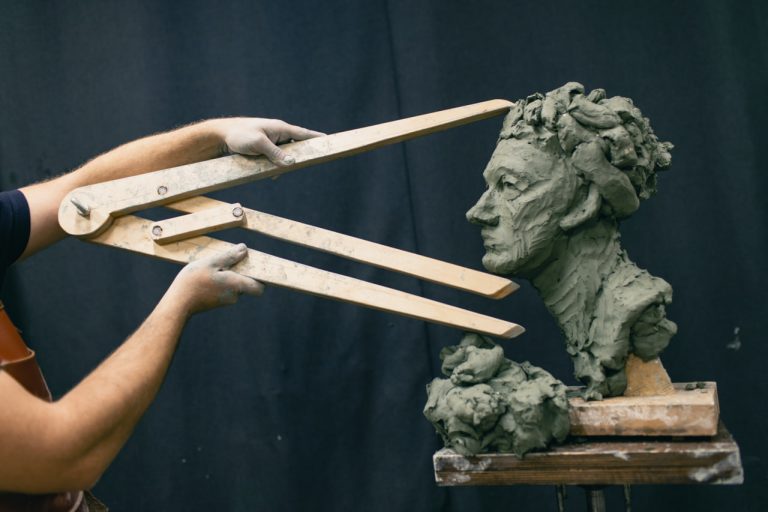
Measure and compare body parts during construction.
Use an armature or support structure for larger figures.
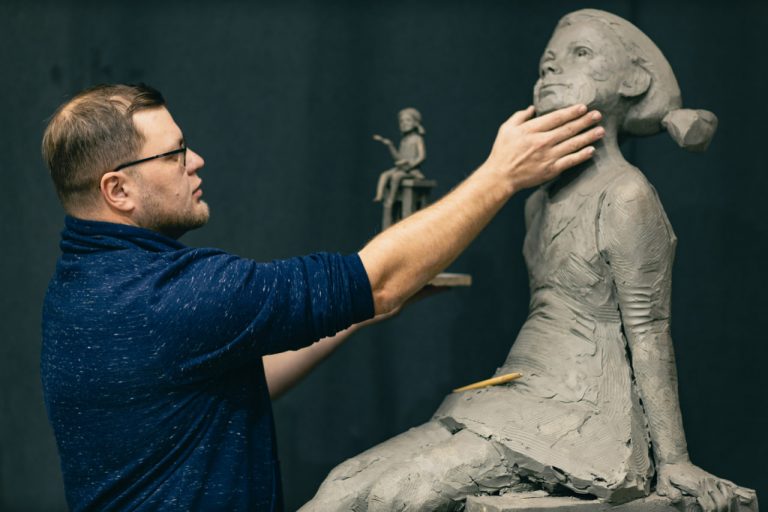
Step back frequently to view the sculpture from different angles.
Consistent checking prevents structural and aesthetic issues before they become permanent.
Neglecting Surface Preparation
Smooth, even surfaces are essential for realistic figures. Beginners often skip basic smoothing or blending, leaving seams, fingerprints, or tool marks visible.
How to Avoid It
Blend all joins and seams with fingers, brushes, or soft tools.
Lightly smooth surfaces before adding details.
Use water sparingly for smoothing clay that allows moisture without over-softening.
Proper surface preparation makes details appear clean and professional.
Adding Details Too Early
Focusing on small details before the overall form is complete can lead to mistakes and damage.
How to Avoid It
Build the figure’s basic structure and proportions first.
Add details gradually, layering features once the main form is stable.
Check symmetry and alignment before carving or texturing fine features.
Working in stages ensures details enhance rather than compromise the figure.
Improper Drying or Baking
Air-dry, polymer, and ceramic clays require specific drying or firing methods. Ignoring these steps can cause cracking, warping, or brittleness.
How to Avoid It
Follow recommended drying or baking times for your clay type.
Avoid thick sections in air-dry clay; consider hollowing or layering.
For polymer clay, use an oven thermometer to maintain correct temperature.
Careful drying and firing maintain the longevity and quality of your sculptures.
Rushing the Sculpting Process
Patience is critical in clay sculpting. Beginners often rush to finish, skipping steps or ignoring signs of stress in the clay.
How to Avoid It
Break projects into manageable stages.
Take breaks to prevent fatigue and maintain precision.
Observe your figure regularly from multiple angles.
A slow, thoughtful approach reduces mistakes and improves the overall quality of your work.
Not Practicing Regularly
Skill in clay sculpting comes from consistent practice. Beginners may expect immediate results, leading to frustration when figures don’t meet expectations.
How to Avoid It
Schedule regular sculpting sessions, even short ones.
Experiment with different shapes, textures, and clays to build versatility.
Review previous work to identify areas for improvement.
Consistent practice develops muscle memory, observation skills, and confidence.