Adding realistic details to clay figures is what transforms a basic shape into a lifelike, expressive sculpture. While the foundation of your figure provides structure, details like texture, facial features, clothing folds, and fine lines give your piece personality and depth. For beginners and intermediate sculptors, learning to add realistic details takes practice, observation, and the right techniques.
This article will guide you through essential methods for enhancing your clay figures with realistic details while maintaining balance and proportion.
Observing Real-Life References
Before sculpting details, observation is key. Realism comes from understanding the shapes, textures, and subtle variations in the object or character you are recreating.
Use photos or physical references: Study the curves, proportions, and surface textures of your subject.
Notice small imperfections: Real-life objects rarely have perfectly smooth surfaces; tiny wrinkles, dents, or asymmetry add realism.
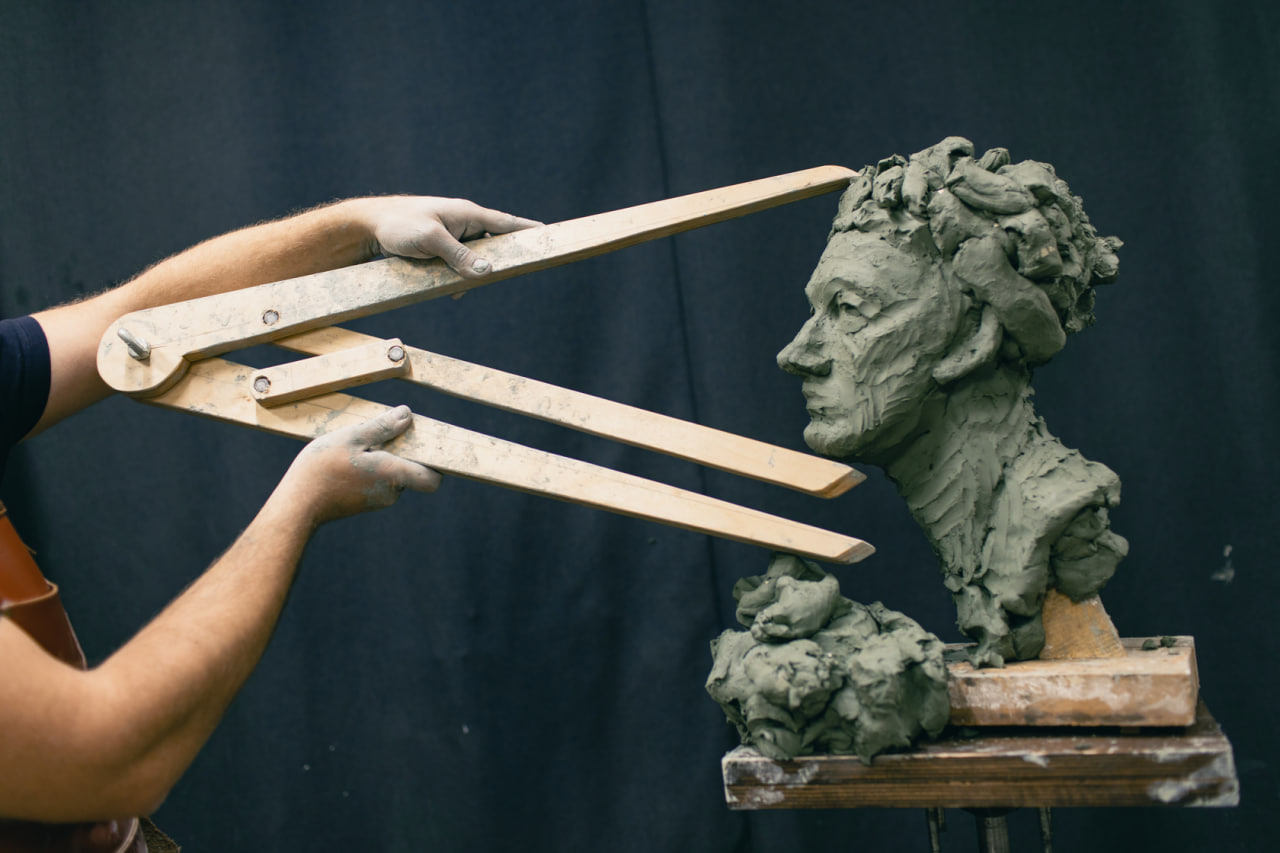
Focus on proportion and scale: Details should match the size of the figure; oversized or undersized features can look unnatural.
Observation ensures that your details are intentional rather than arbitrary.
Preparing Your Figure for Detailing
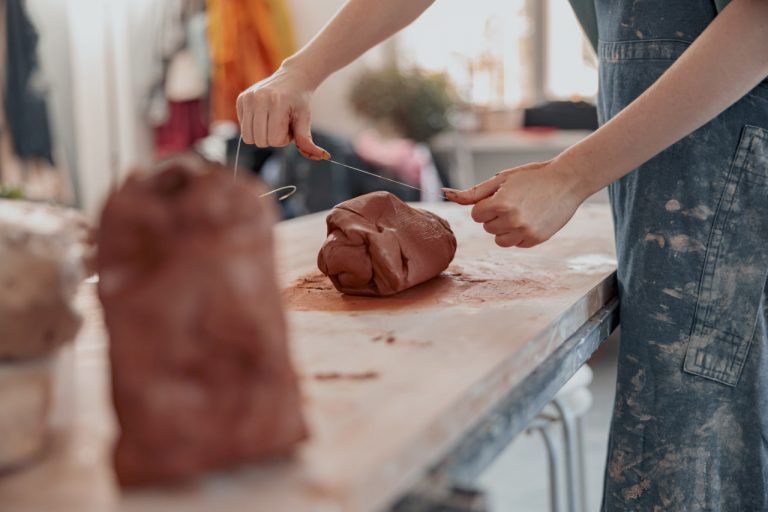
Adding details works best after the figure’s basic form is stable.
Solidify the structure: Make sure limbs, torso, and head are properly shaped and proportioned.
Smooth large surfaces: Lightly refine areas where details will be applied to avoid uneven textures.
Plan your details: Decide where textures, folds, and features will go before starting to carve or sculpt.
A prepared figure allows you to focus on precision rather than constantly adjusting the base.
Tools for Fine Detailing
Using the right tools makes adding details easier and more controlled.
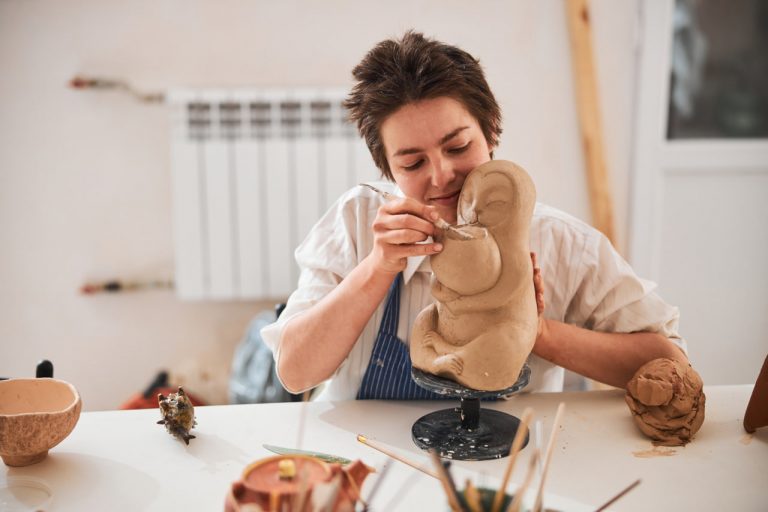
Needle tools: Perfect for small lines, grooves, and textures.
Loop and ribbon tools: Ideal for carving depth, hollowing, or creating subtle contours.
Ball styluses or rounded tips: Useful for shaping small rounded features like eyes, nose tips, or knuckles.
Soft brushes or sponges: Smooth surfaces or create subtle textures on clay.
Experimenting with tool combinations can help you achieve the desired level of realism.
Techniques for Adding Texture
Texture gives clay figures depth and visual interest.
Skin and Surface Texture
Gently press textured materials like cloth, leaves, or mesh onto clay for natural patterns.
Use tiny lines or dots to mimic pores, wrinkles, or hair.
Layer textures gradually to avoid overwhelming the surface.
Clothing and Fabric
Carve subtle folds and creases to reflect natural fabric movement.
Apply gentle pressure and shape clay in the direction of the garment’s stretch or fall.
Use small tools to define hems, seams, and wrinkles for added realism.
Hair and Fur
Roll thin strands for hair or fur, then attach carefully in layers.
Texture strands with a needle tool or toothpick to create fine lines.
Observe natural hair flow for placement and direction.
Detailing Facial Features
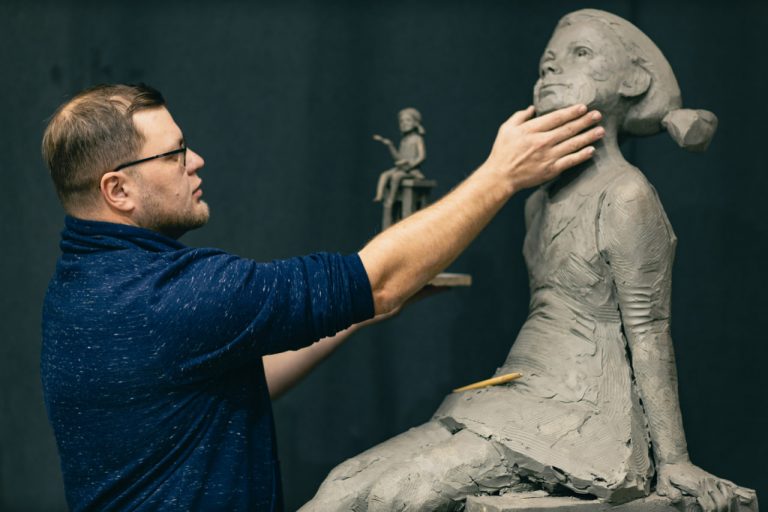
Facial features are central to figure realism.
Start with the basic proportions of the face before adding small features.
Use rounded tools for the nose, eye sockets, and lips.
Carve subtle lines for eyebrows, eyelids, and creases around the mouth.
Keep features proportional to the head and consistent with the overall expression.
Working in Layers
Adding details in layers ensures control and prevents damage.
Begin with larger features, then move to smaller textures.
Avoid pressing too hard initially; refine with gradual adjustments.
Layering allows you to test placement and symmetry before committing.
Finishing Touches
Once details are complete, smooth transitions and refine edges.
Use soft brushes or a damp sponge to gently blend areas.
Remove fingerprints or accidental marks to maintain clean surfaces.
For air-dry or polymer clay, finishing can include sanding, painting, or sealing to enhance textures and colors.
Practicing Patience and Observation
Adding realistic details requires careful observation, a steady hand, and patience. Rushing can lead to distorted features or overworked surfaces. Take your time, step back frequently, and compare your figure to your reference material.